
Introducing the accessible components library
Eight open-source components with docs and automated tests mapped to WCAG 2.2 criteria.

Daily web platform news
Eight open-source components with docs and automated tests mapped to WCAG 2.2 criteria.

Device Posture and Viewport Segments APIs in Safari, plus a foldable Netflix-style video player.
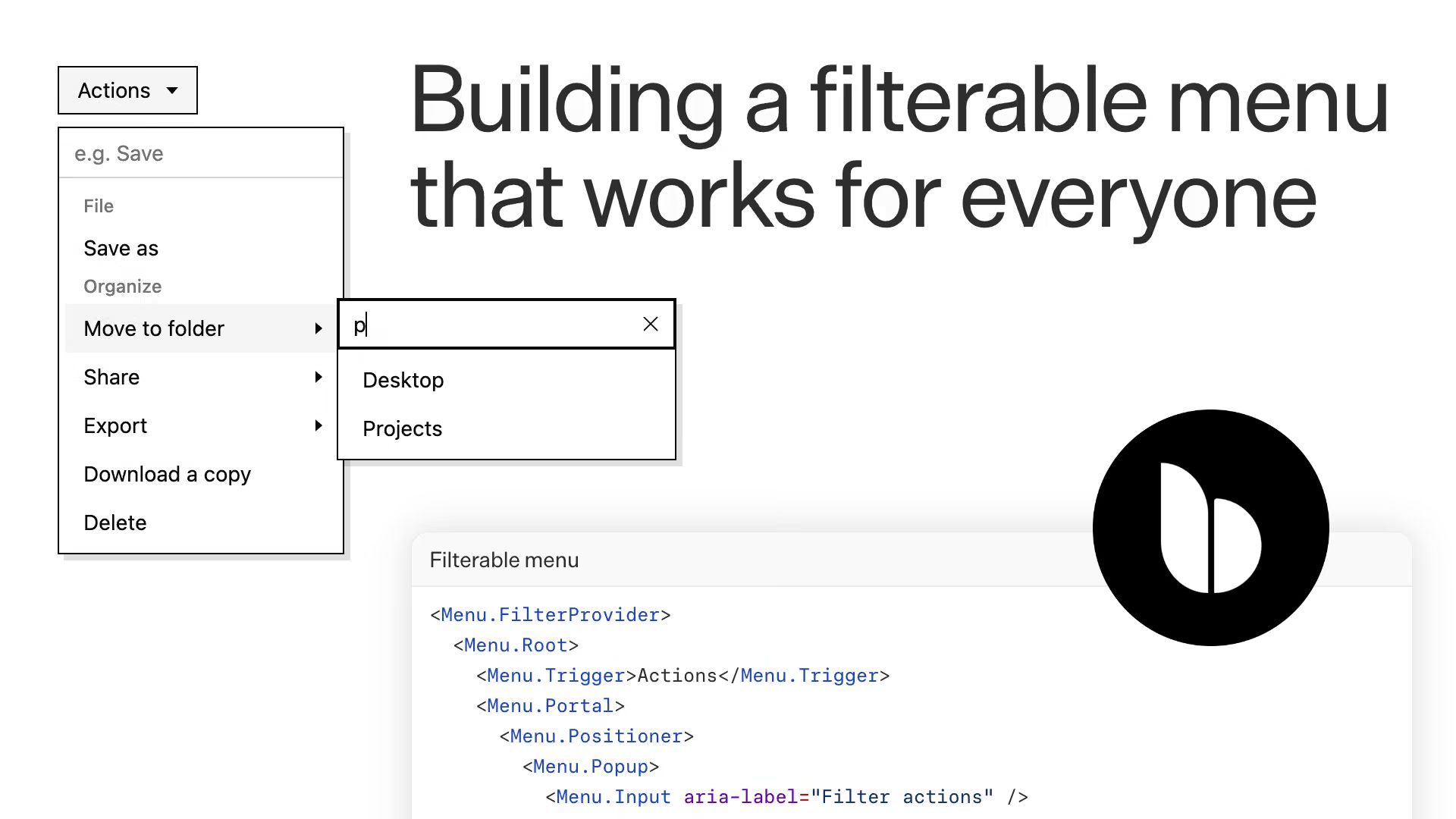
Why Base UI made it a dialog with a search field, not a combobox, and how keys share the input.

CSS random(), :navigation-source, paired scroll snapping, and retryable module imports.

Site-registered JS tools make co-browsing AI agents faster and cheaper, with users in control.

Benchmarks on photos, screenshots, and transparency: AVIF wins lossy, JPEG XL wins lossless.
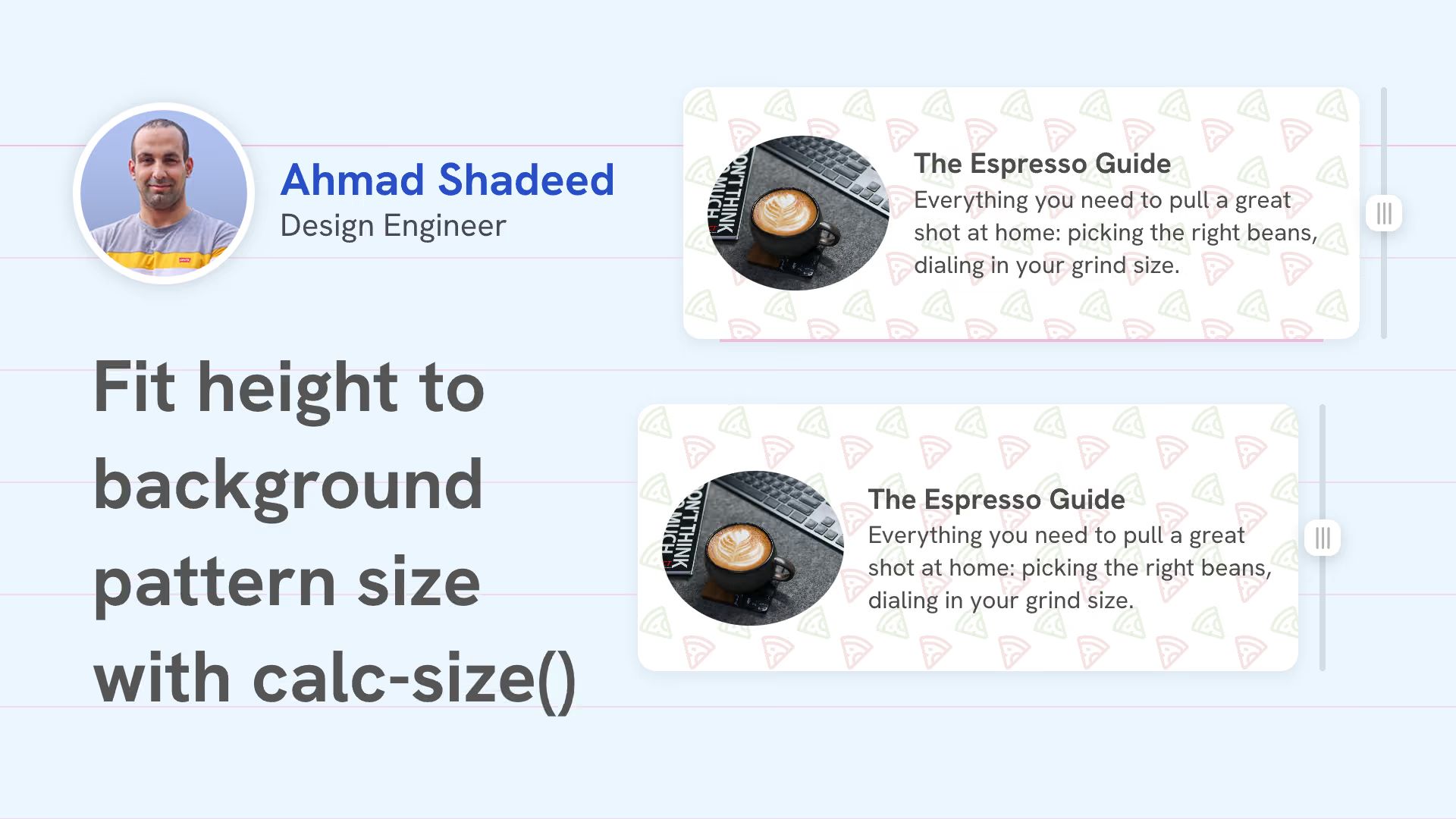
calc-size()Rounding a section’s auto height to the tile size so a repeating pattern never gets cut off.
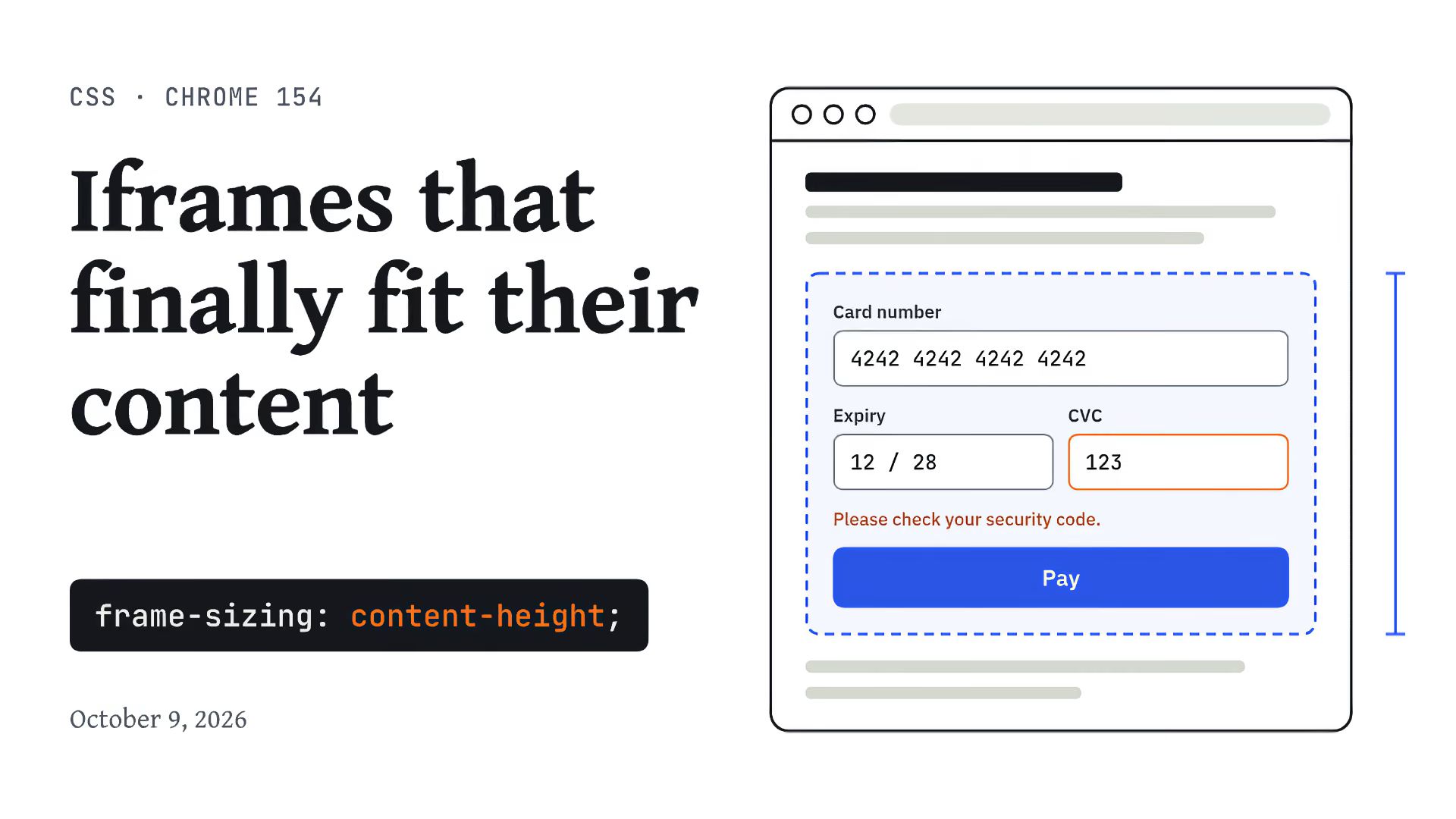
A Chromium CSS property and a <meta> opt-in replace postMessage height scripts.
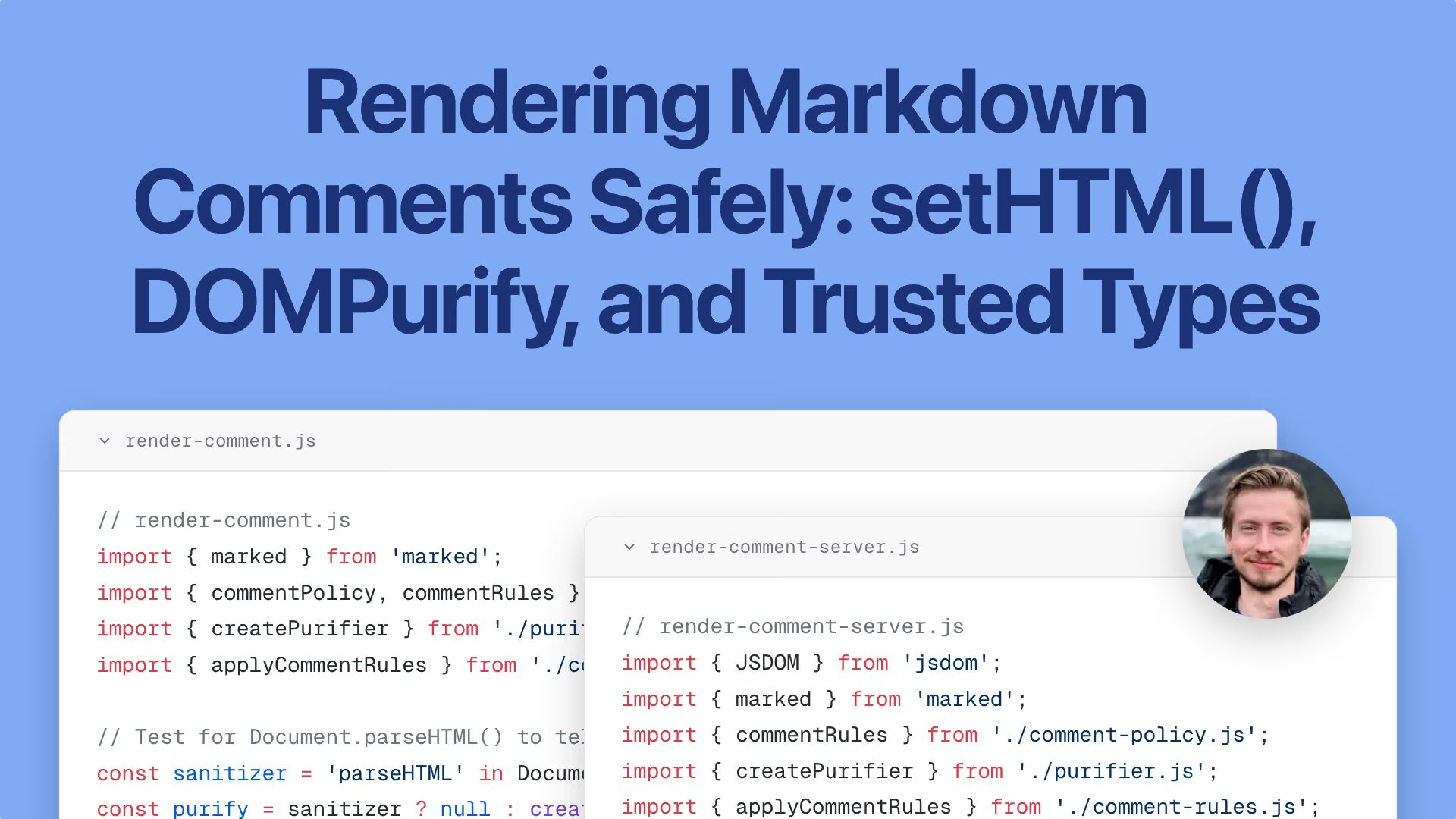
setHTML(), DOMPurify, and Trusted TypesOne explicit allowlist for every place comments render, with native and library sanitizers.
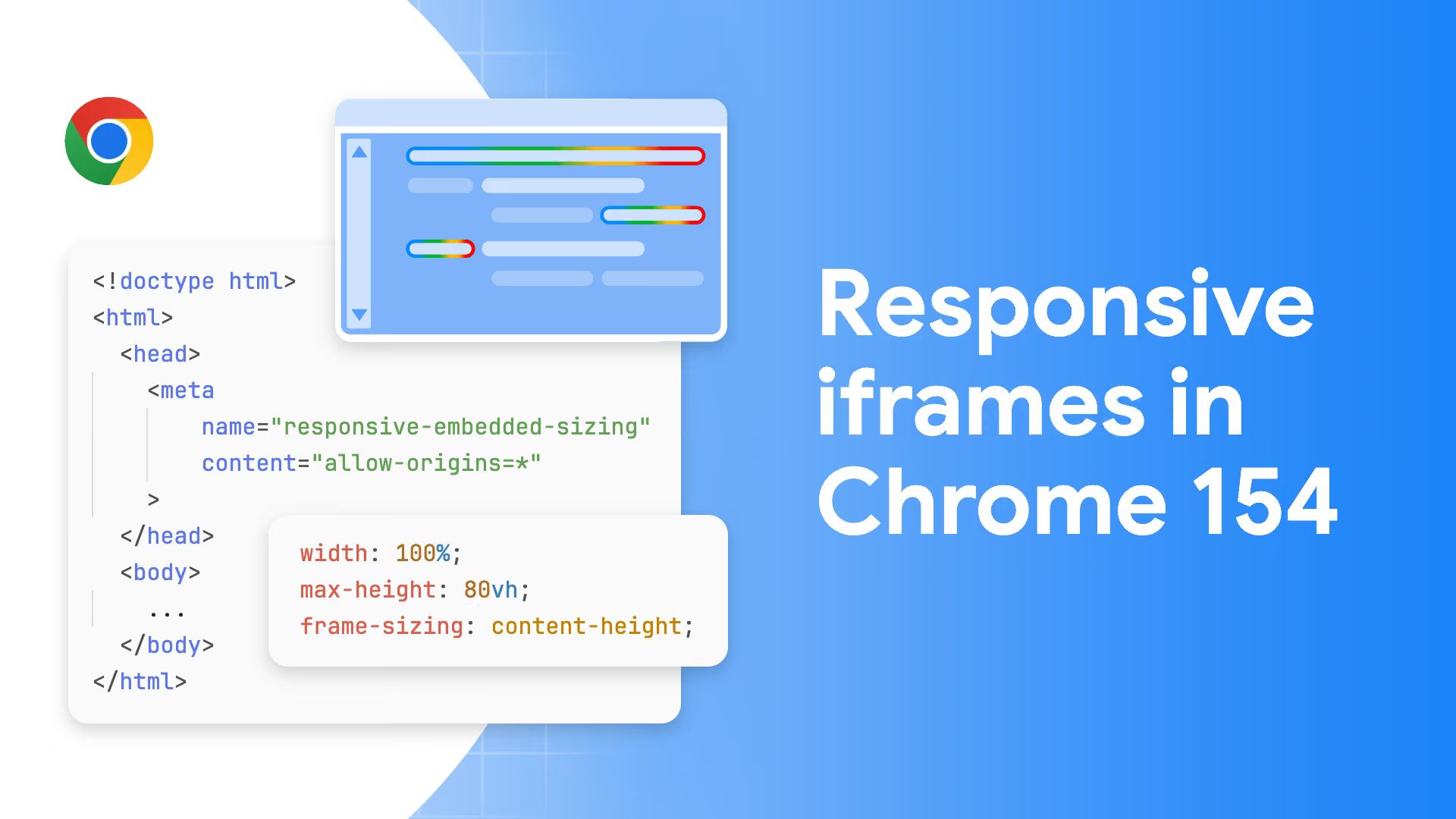
An embedded frame grows with its content, no postMessage height plumbing.
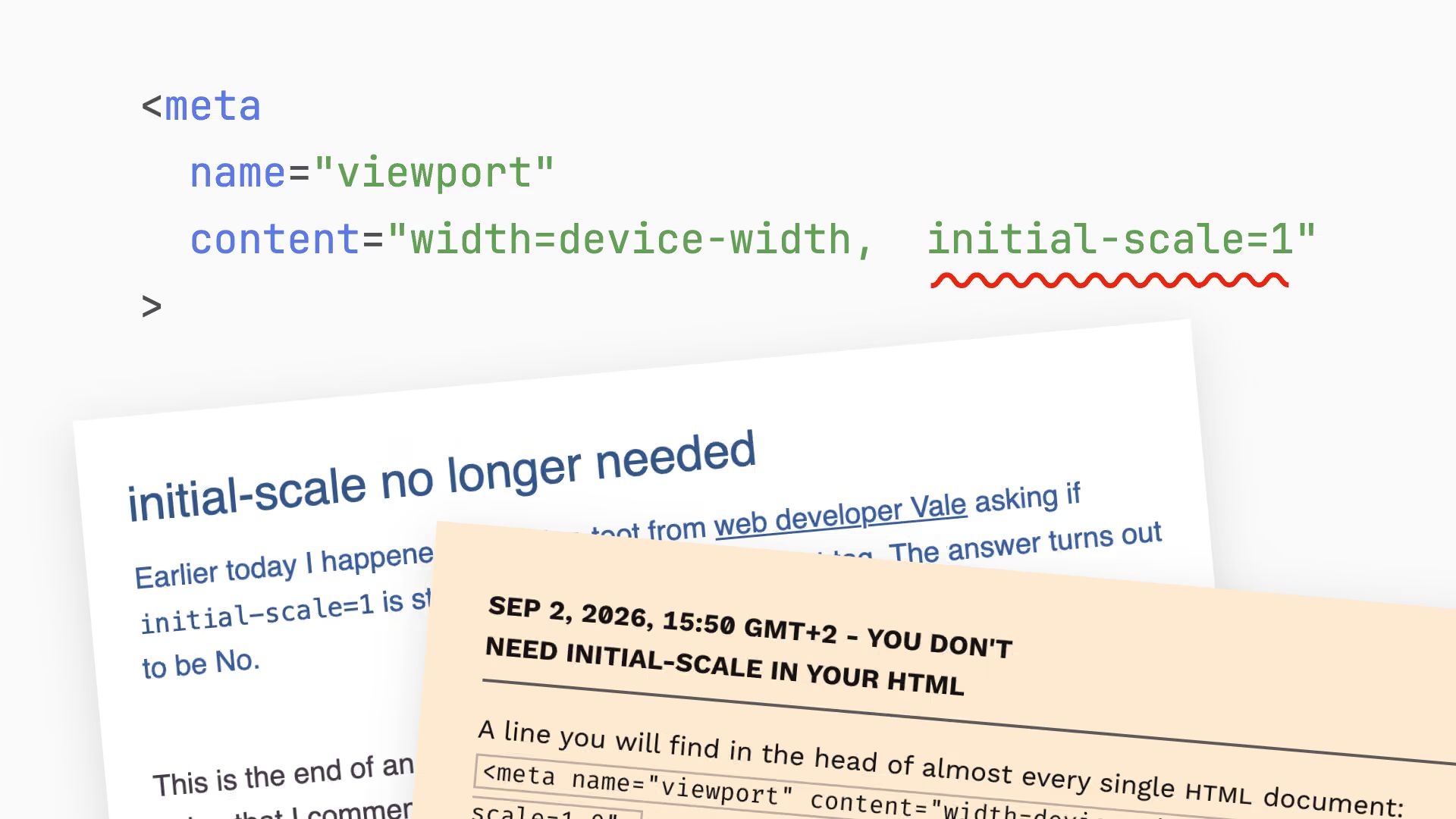
initial-scale in your HTMLTwo authors landed on the same viewport <meta> element finding hours apart.
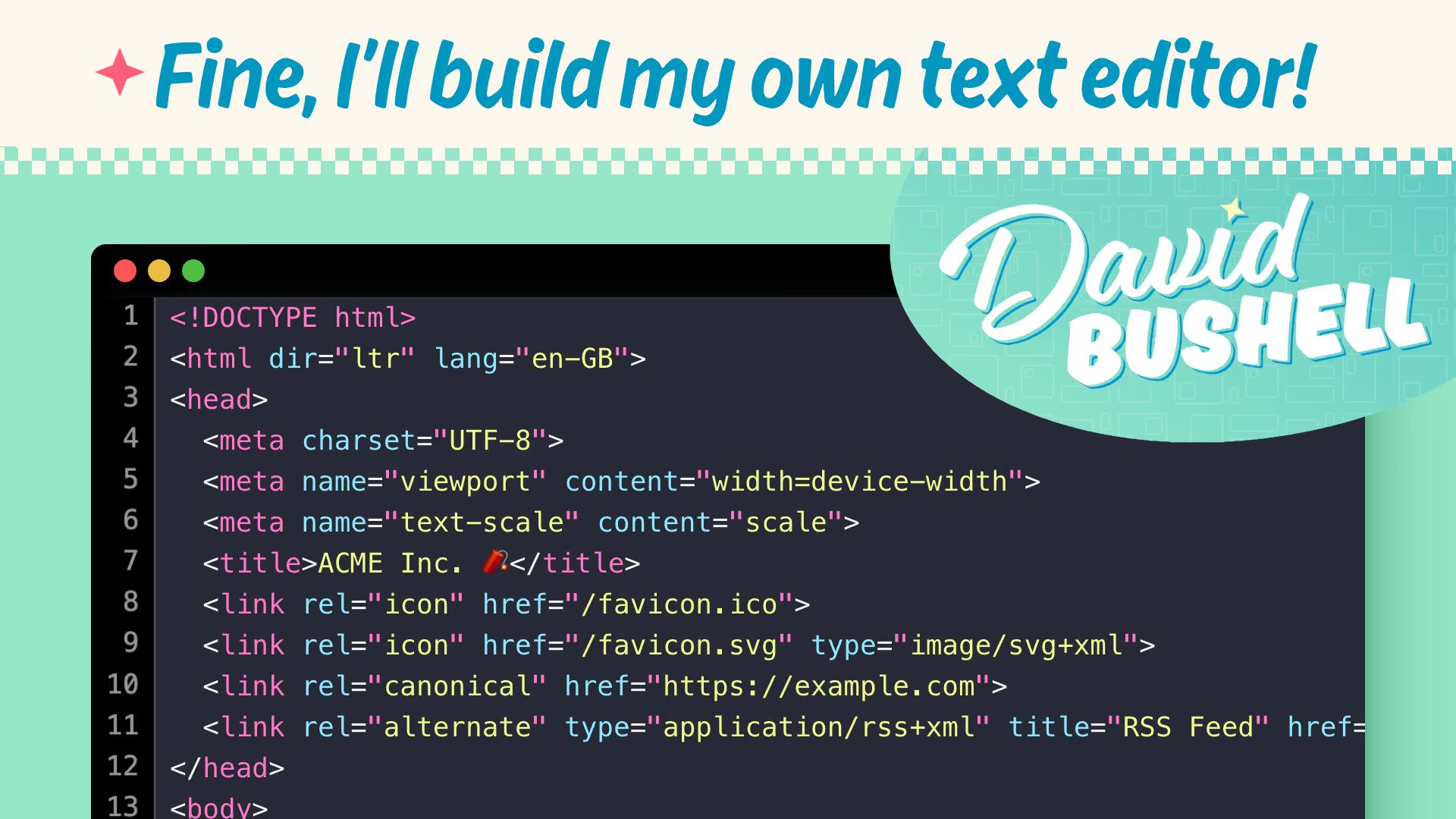
Comparing <canvas>, contenteditable, and <textarea> for building an editor in the browser.

<geolocation> HTML element and how it worksChrome 144 ships a permission-friendly element with autolocate, watch, and a :granted pseudo-class.
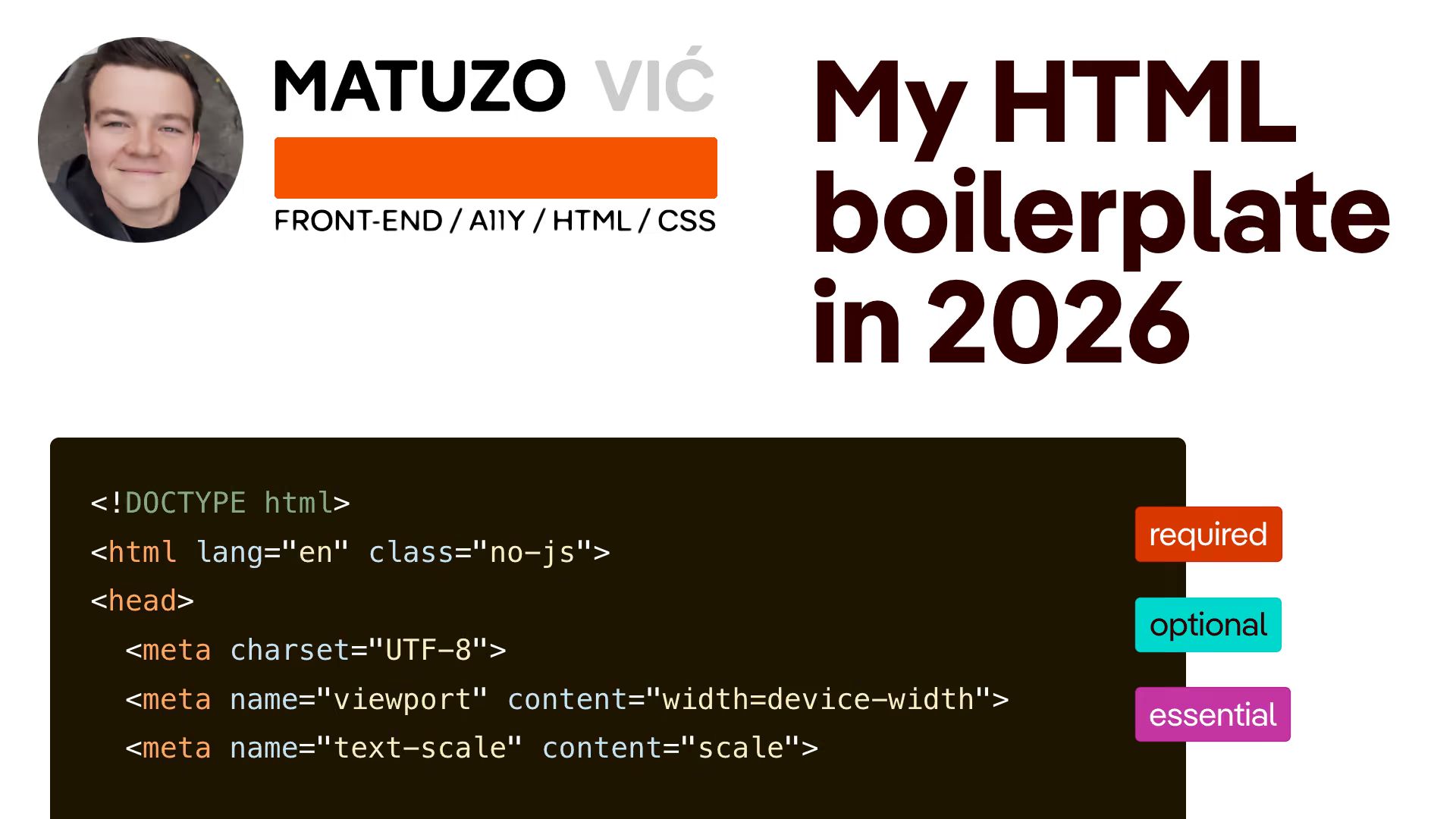
A commented head section with text scaling, SVG favicons, markdown alternates, and fediverse tags.
Device Posture and Viewport Segments APIs in Safari, plus a foldable Netflix-style video player.
calc-size()Rounding a section’s auto height to the tile size so a repeating pattern never gets cut off.
A Chromium CSS property and a <meta> opt-in replace postMessage height scripts.

Safari skips safe area insets for the side toolbar and tints it by sampling the page’s colors.
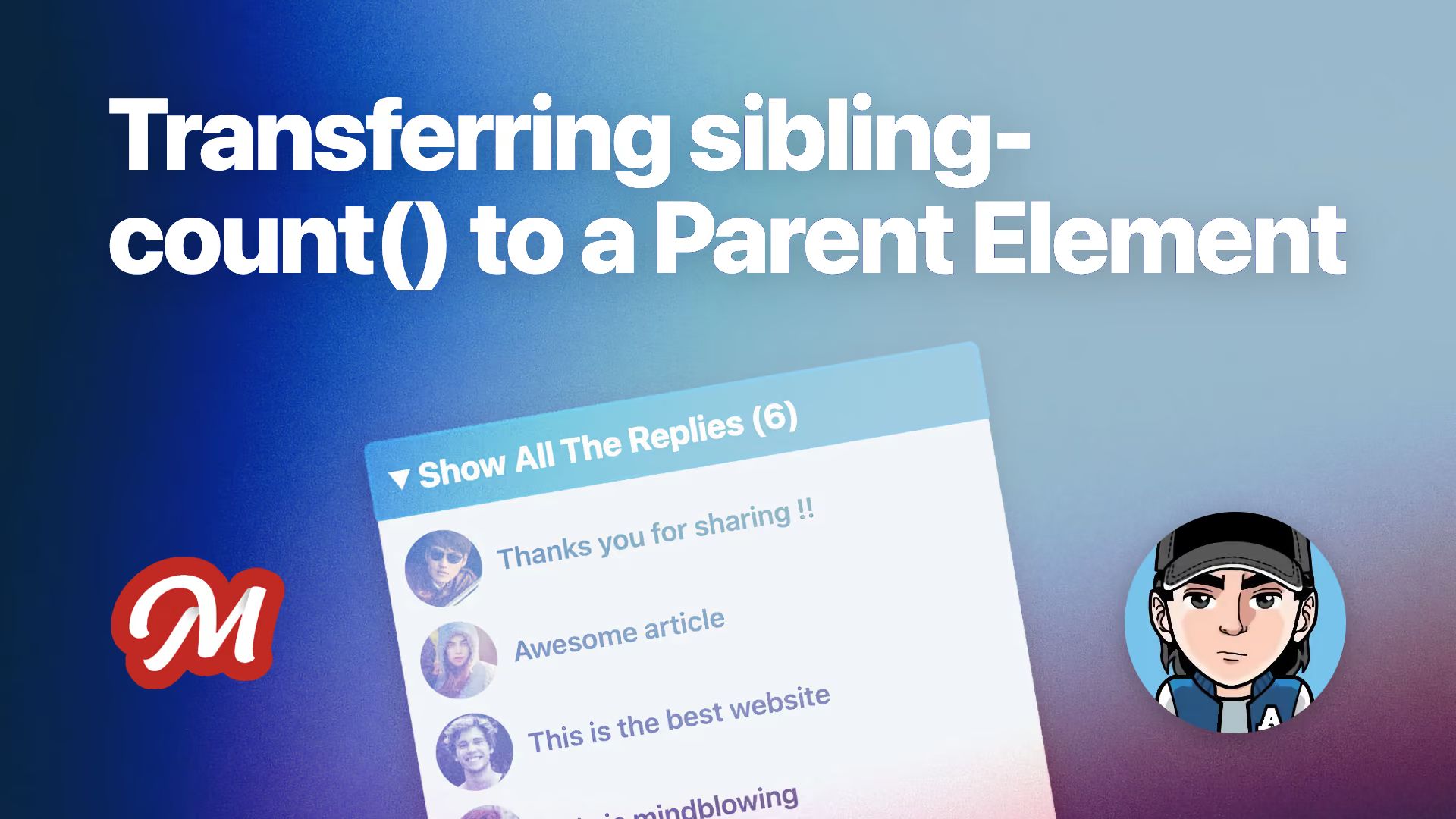
sibling-count() to a parent elementHow to pass the number of children to a parent before children-count() arrives.

GitHub’s Primer moved from CSS-in-JS to CSS Modules, cutting server rendering time by 55%.
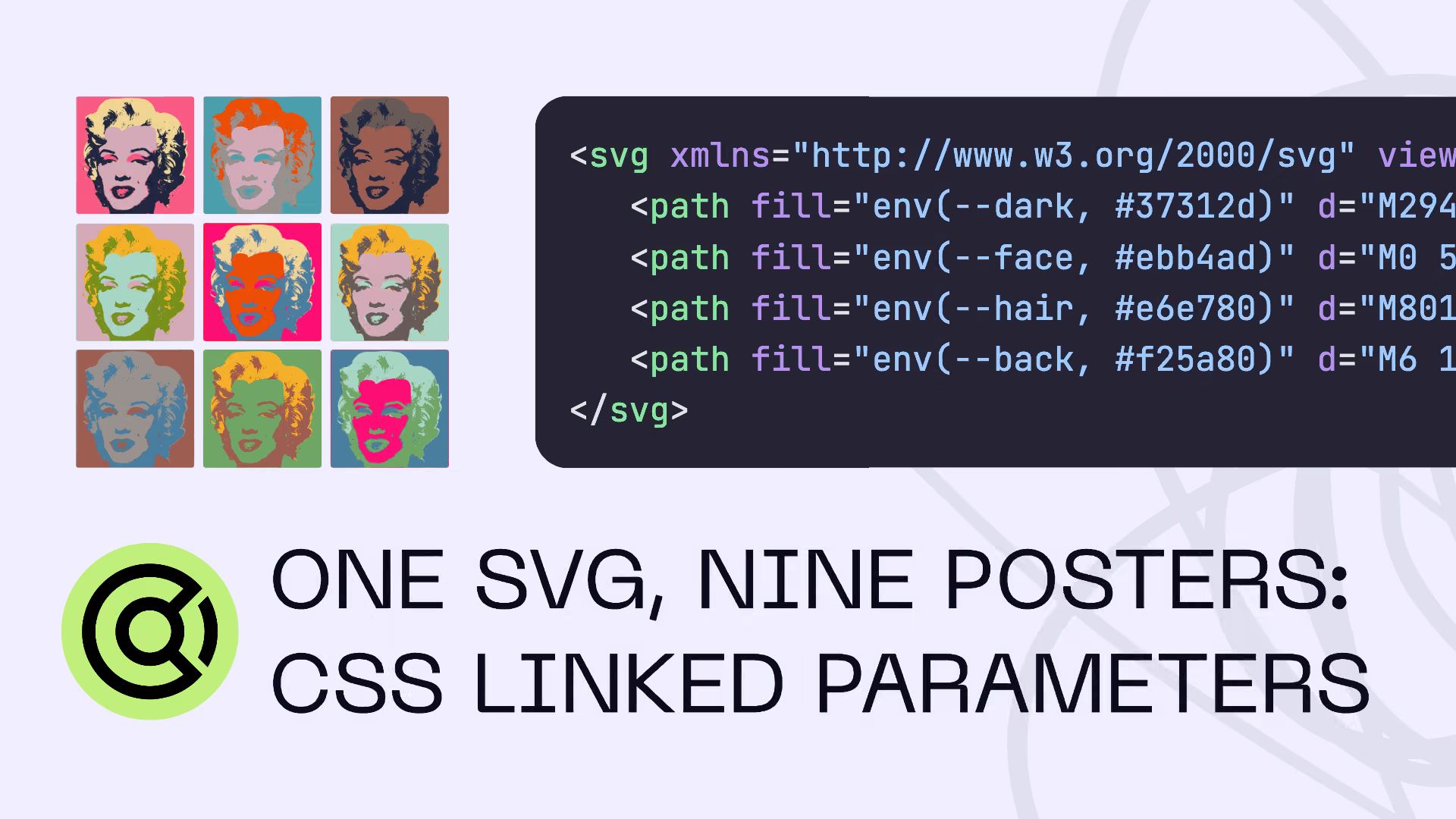
link-parametersAn external SVG takes its colors from the page, and keeps its own when nothing is passed in.
setHTML(), DOMPurify, and Trusted TypesOne explicit allowlist for every place comments render, with native and library sanitizers.

From pencil sketches to a canvas match that strikes, burns, and flickers like a real one.

Rewriting tools in Rust, Go, and Zig makes them faster, but fewer developers can maintain them.
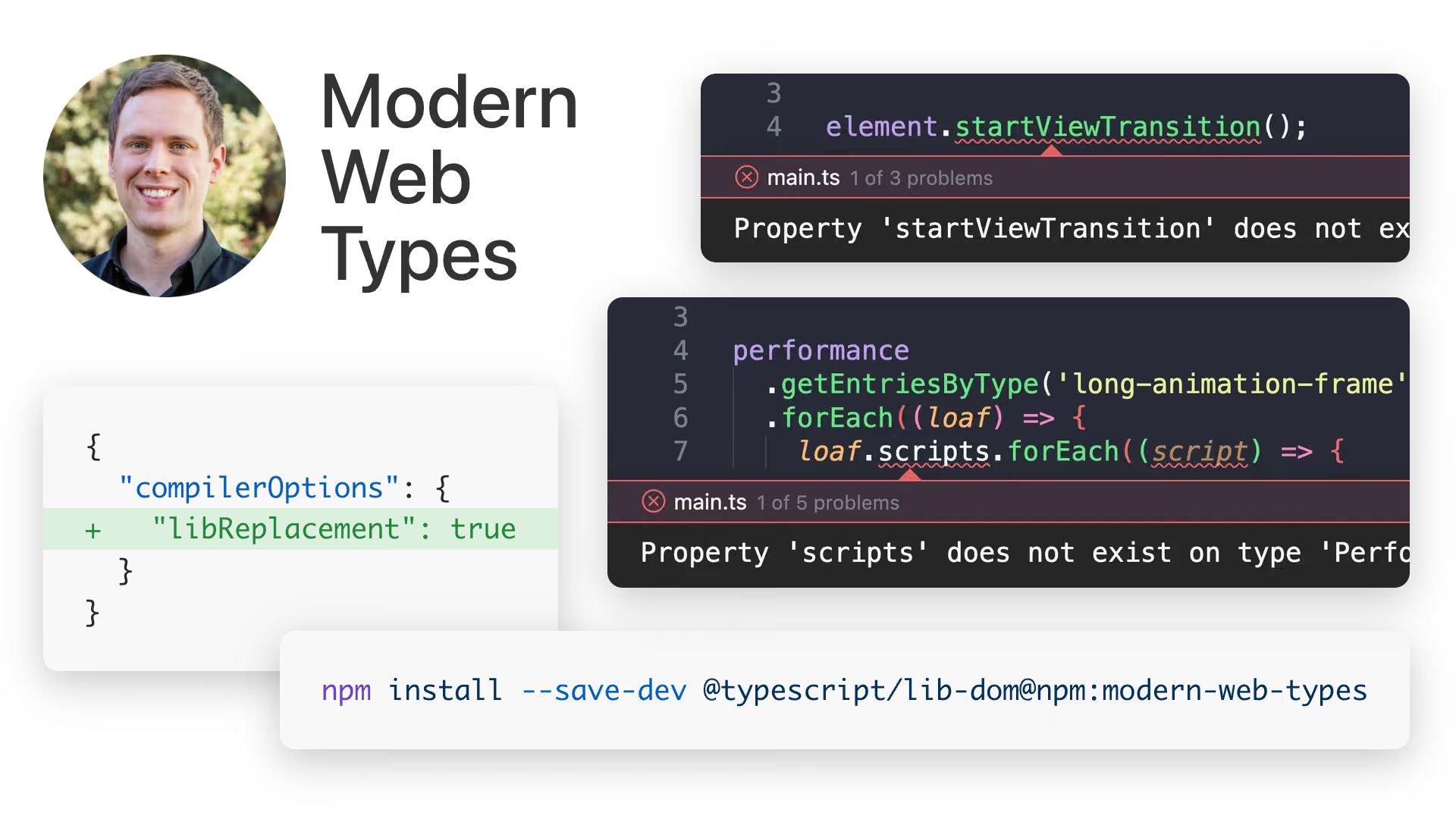
A drop-in replacement for TypeScript’s DOM types with a single-engine threshold.

Splitting, batching, and offloading work to keep every frame under 10 milliseconds.
Comparing <canvas>, contenteditable, and <textarea> for building an editor in the browser.
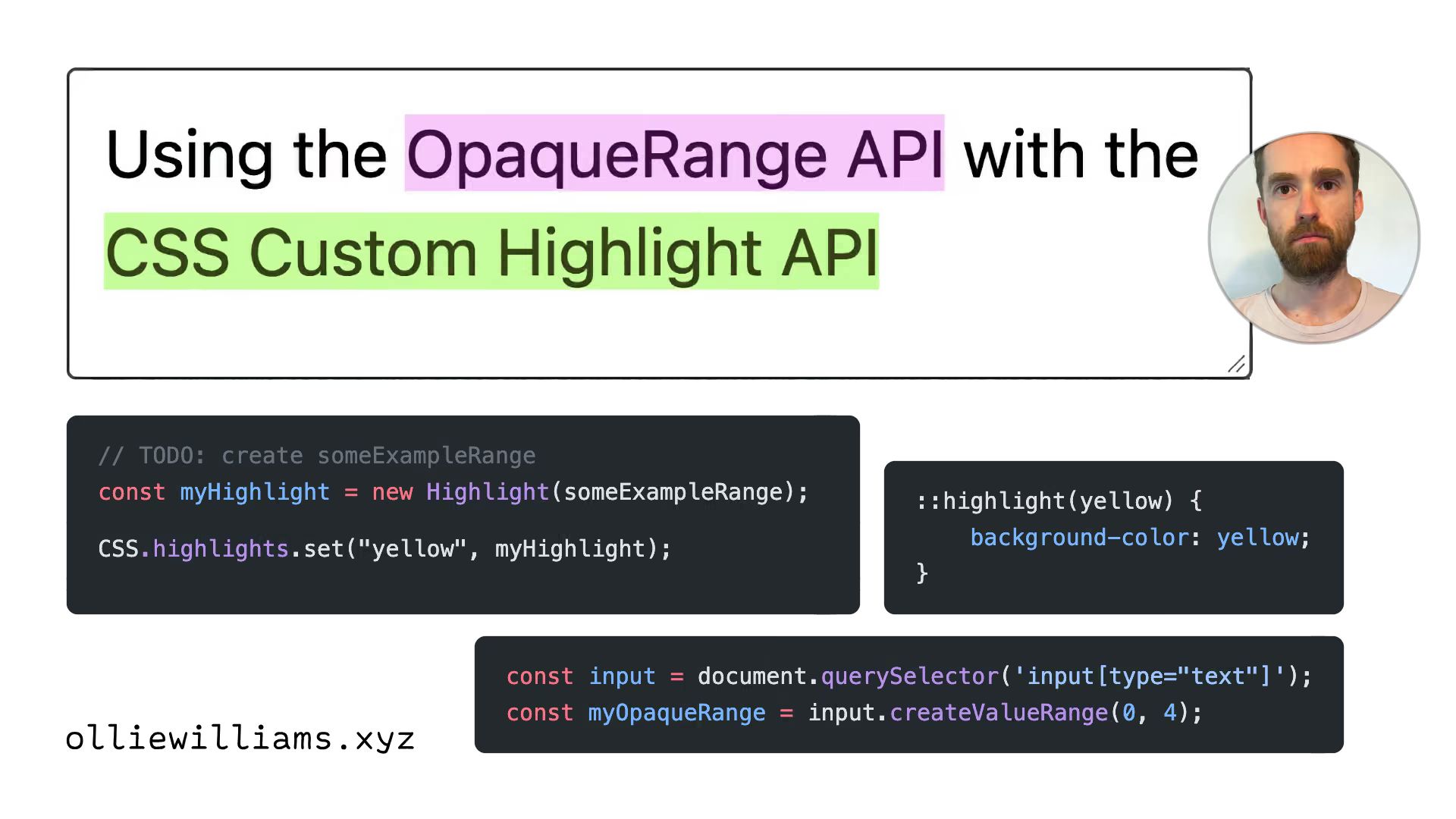
The Custom Highlight API finally reaches form controls thanks to OpaqueRange in Chromium 152.
Eight open-source components with docs and automated tests mapped to WCAG 2.2 criteria.
Why Base UI made it a dialog with a search field, not a combobox, and how keys share the input.
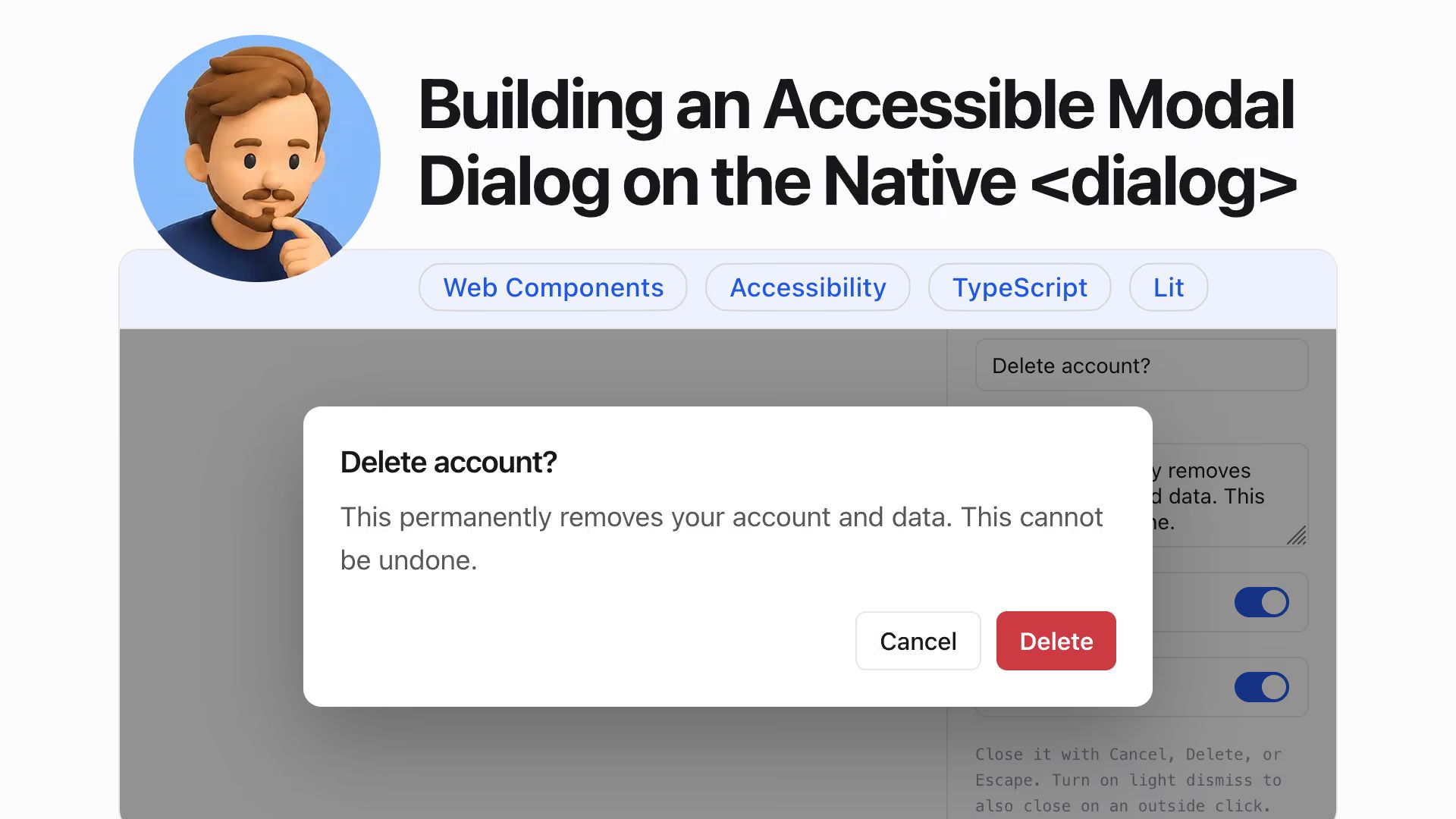
<dialog>How showModal() handles focus, Escape, and animation so you don’t have to.
An interactive quiz to test and sharpen your web accessibility knowledge.
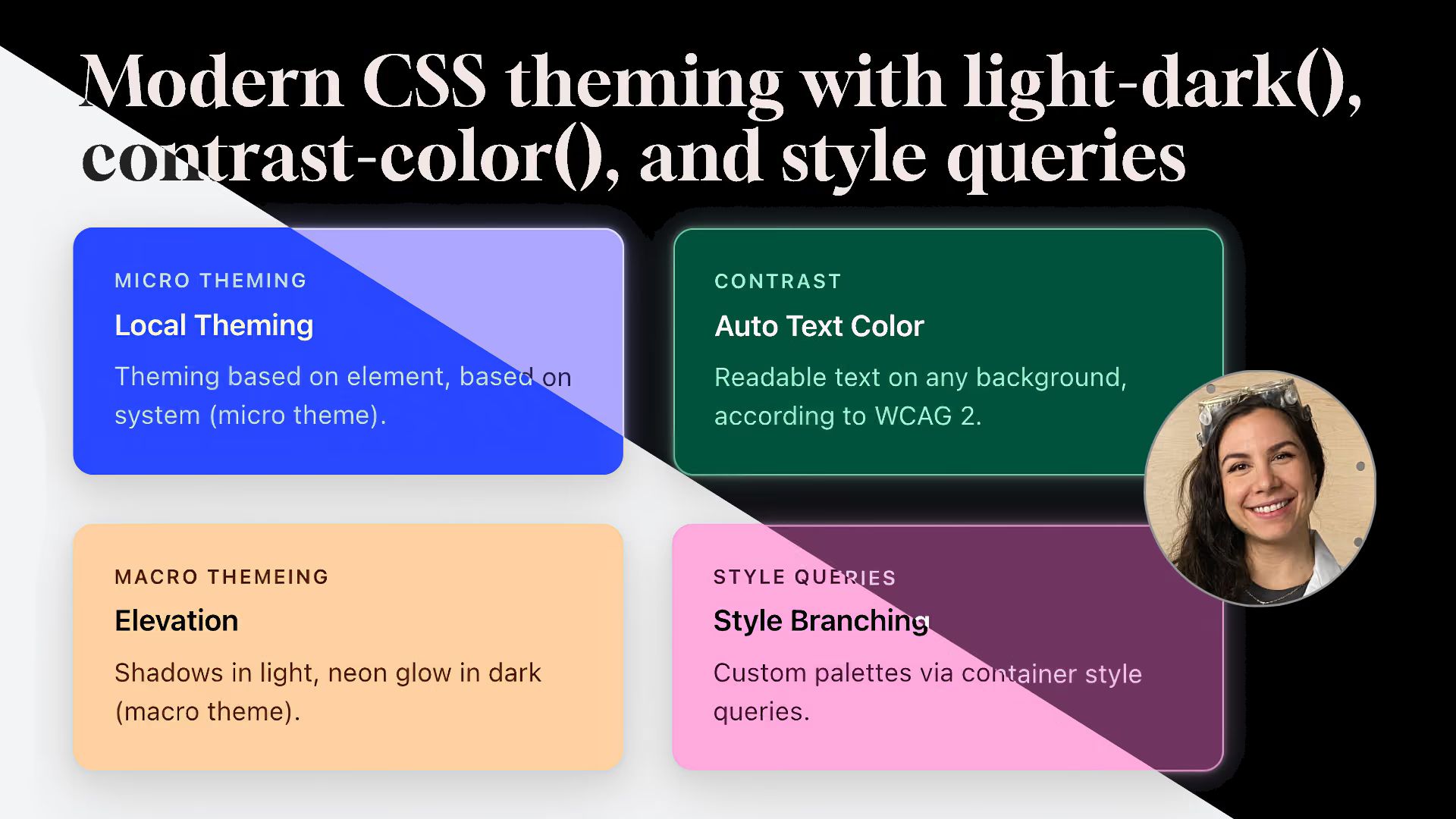
light-dark(), contrast-color(), and style queriesAccessible, composable color themes that adapt elevation to light and dark modes.

How balanced column heights break keyboard focus order, and how to fix it.
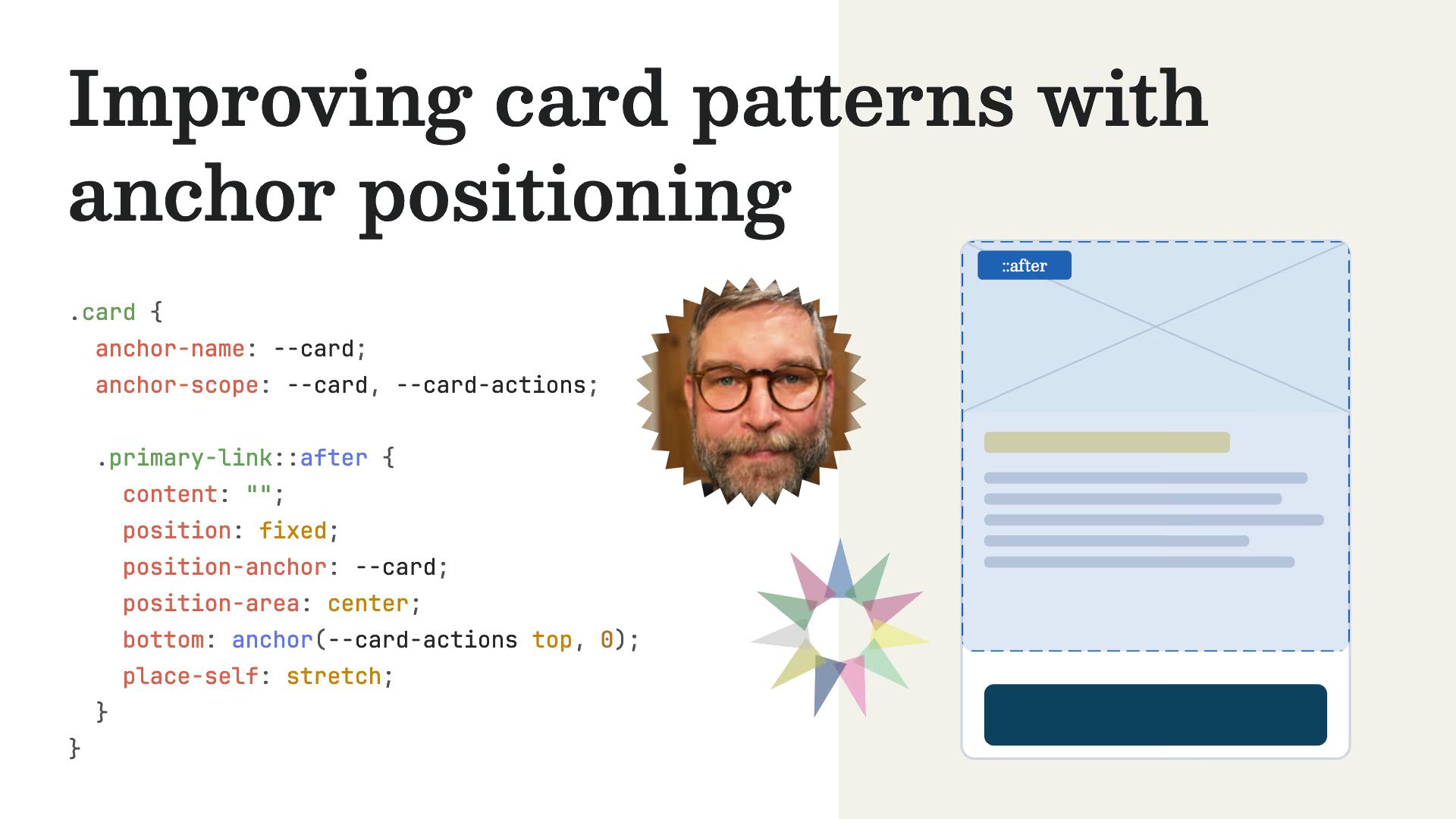
A pseudo-element covers the card surface but stops short of the secondary actions.
CSS random(), :navigation-source, paired scroll snapping, and retryable module imports.
Site-registered JS tools make co-browsing AI agents faster and cheaper, with users in control.
JPEG XL by default, CSS typed arithmetic, and a navigate option for notifications.
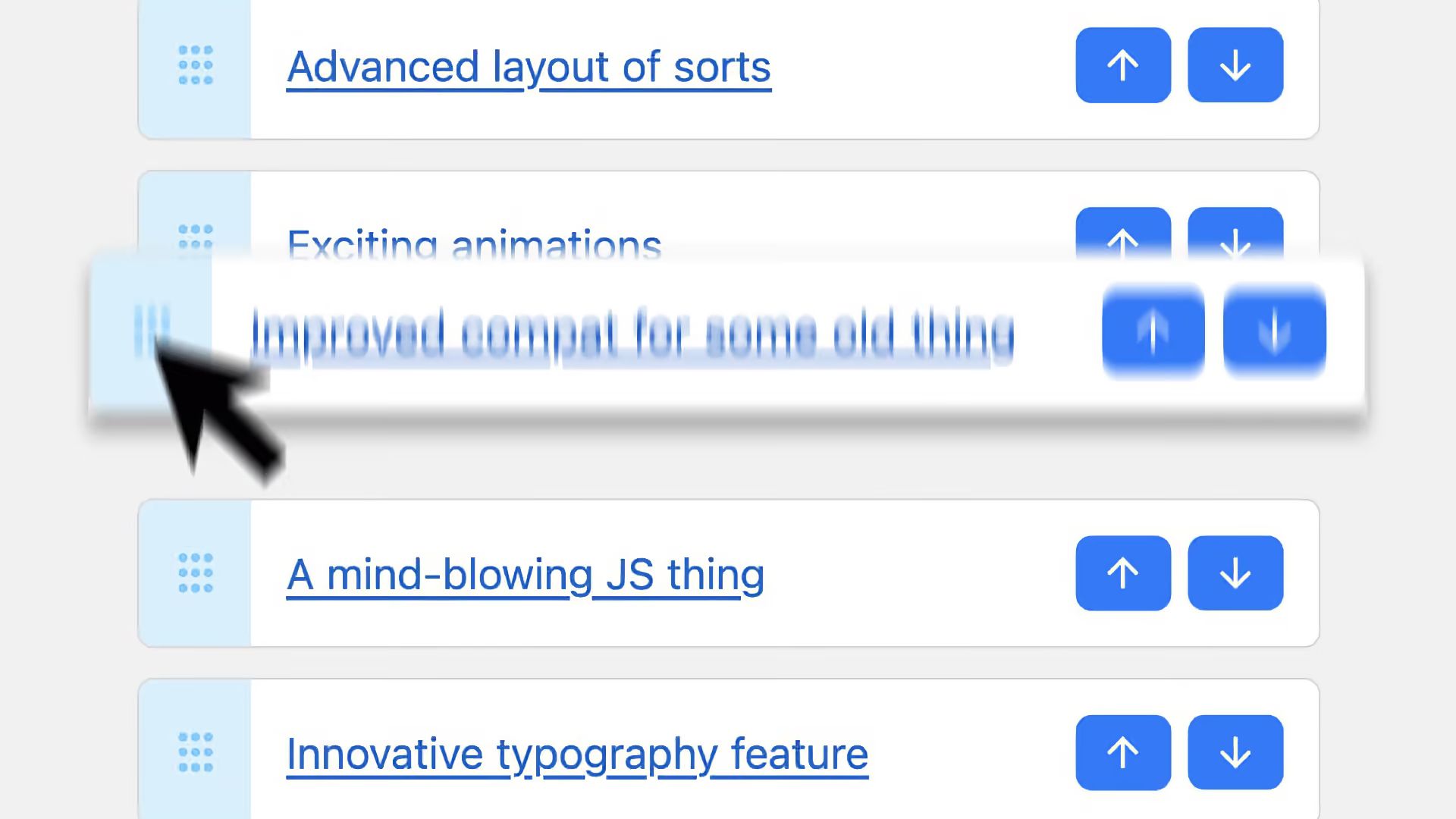
Rank the Interop 2027 proposals you care about to help Firefox pick what to push for.

JPEG XL returns, inline counter styles, margin-trim, and text modules.
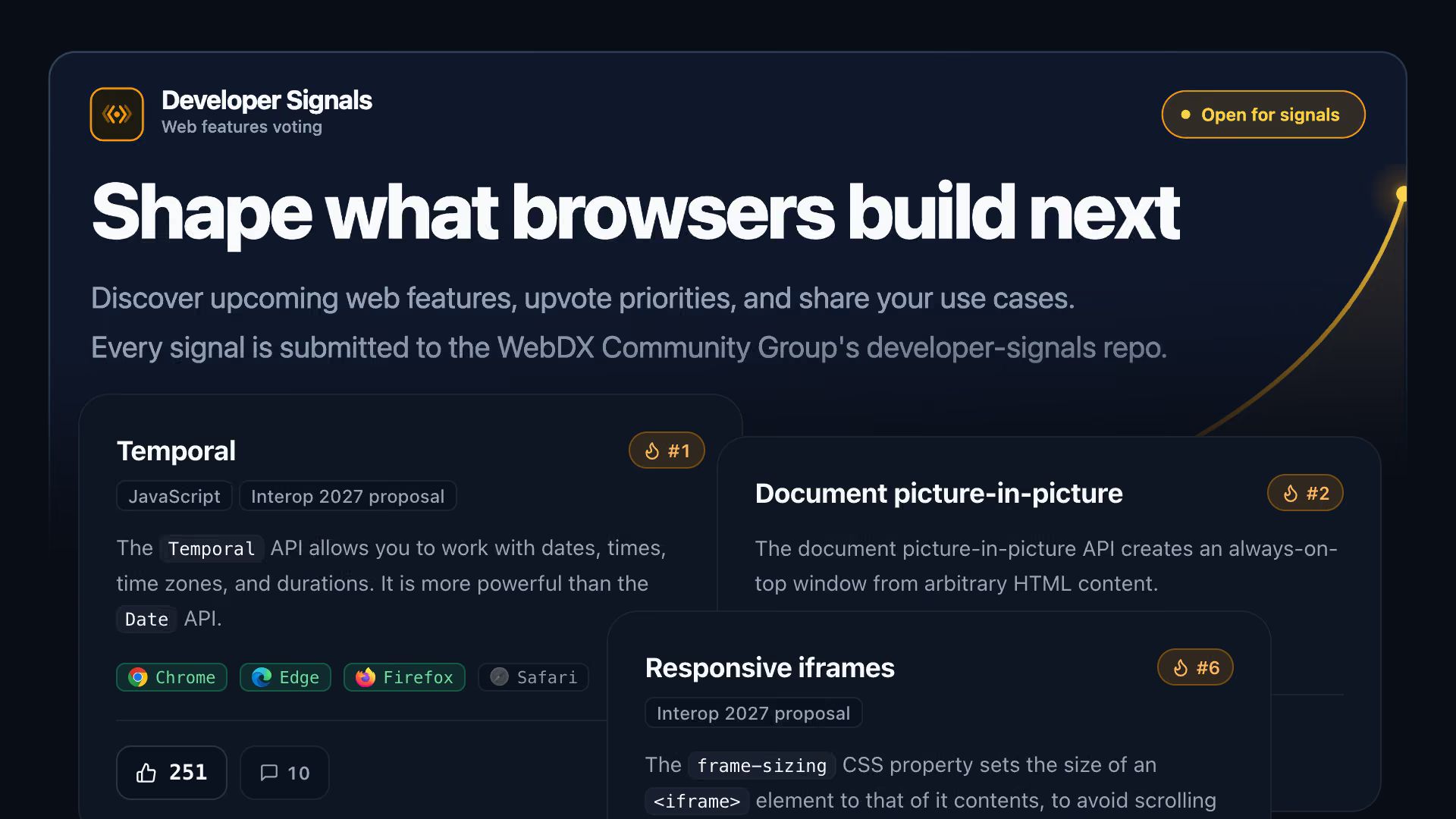
Vote for upcoming web features and share use cases that go straight to browser vendors.
at-rule() in @supports, a chain value for overscroll-behavior, and Web Animations fixes.